Featuring
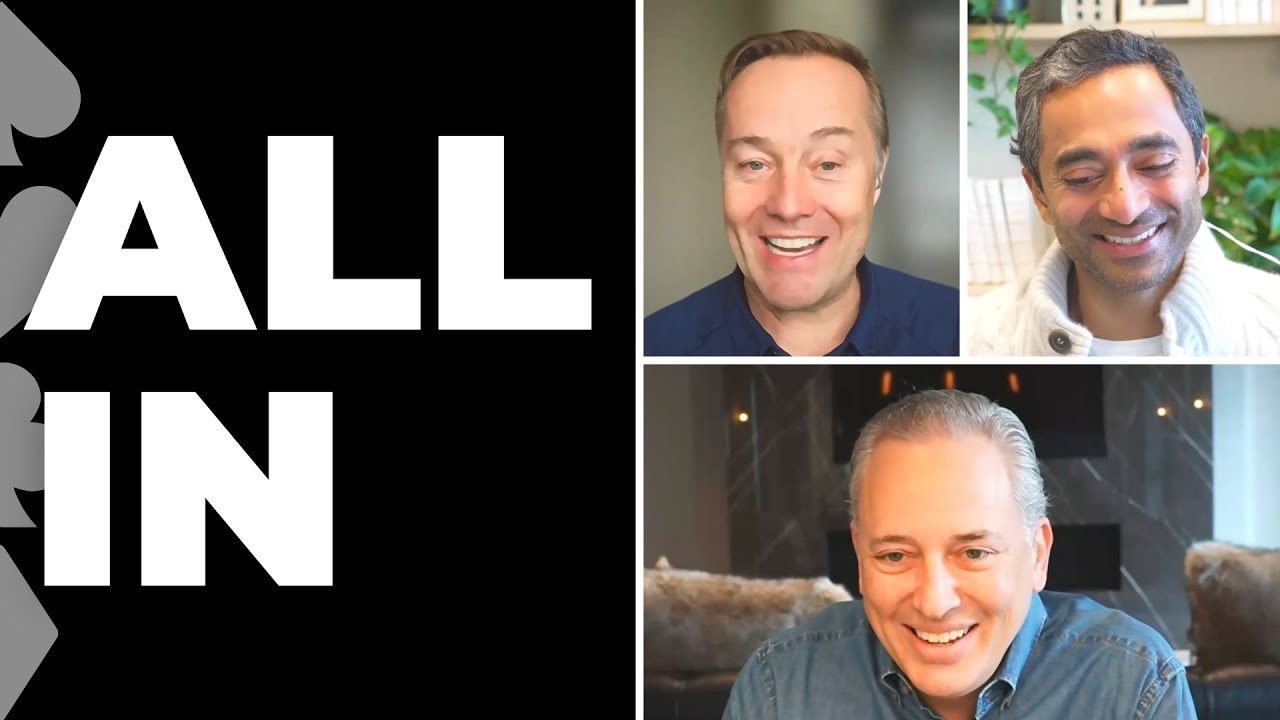
No guest this week—and no Friedberg, who was apparently lost somewhere inside his Vision Pro. The trio moved from platform liability to Elon Musk's voided Tesla compensation package and the Pentagon's expensive struggle to stop cheap drones. Jason and Sacks produced the only sustained clash: whether a recommendation algorithm is still a neutral distributor or has become responsible for what it actively serves. Jason wins narrowly on a distinction that later courts began to recognize. Chamath still had a terrific episode, turning sprawling arguments about corporate and military incentives into concrete mechanisms.
Spice rack
Should algorithmic recommendations expose social platforms to liability under Section 230?
Original point: A platform stops looking like a passive host when its algorithm chooses and promotes content, so that added editorial role should carry some responsibility.
What everyone argued
Jason Calacanis
Section 230 should not erase responsibility once a platform's recommendation system picks winners and amplifies content. Jason compared that act to editorial judgment and argued for some liability, especially where algorithms repeatedly steer users toward harmful material.
David Sacks
Section 230 correctly treats platforms as distributors of user speech and protects good-faith moderation. Recommendation feeds mostly give users more of what their behavior signals they want, so removing protection would unleash litigation and push risk-averse companies toward even stricter censorship.
Winner circle
Jason wins narrowly. His core claim—that active personalized promotion can be the platform's own conduct rather than passive hosting—better matches the emerging appellate distinction and recent product-design litigation. Sacks correctly defended Section 230's basic architecture and identified the chilling-risk burden, so the winning policy is targeted accountability for demonstrably harmful recommendation design, not wholesale repeal.
Commentary
Jason Calacanis
Assumptions and fact checks
Allowing targeted liability for recommendation design would improve platform safety without making ordinary user-generated-content services unworkable.
Why it mattersNarrow product-design claims can target a platform's own choices, but the boundary between actionable recommendation and protected organization remains unsettled. Poor drafting could invite claims against almost every ranking or notification feature.
Section 230 treats a platform as a common carrier until it starts making editorial choices through an algorithm.
CheckThe statute does not use that test. It says an interactive computer service cannot be treated as the publisher or speaker of information provided by another content provider; common-carrier language is not the trigger for immunity.
A personalized recommendation algorithm can be treated as the platform's own conduct rather than merely third-party content.
CheckThe Third Circuit held that TikTok's unsolicited For You Page recommendation was TikTok's own expressive activity and not immunized by Section 230. The conclusion is not nationally settled: other circuits retain broader immunity, and the Ninth Circuit identified the conflict in 2026.
David Sacks
Sacks argued the best warning against a careless repeal: liability changes behavior, and the cost can fall on lawful speakers. His weakest move was calling serious harms mere edge cases and shifting quickly to parents; neither point answers whether an unsolicited recommendation engine created a distinct, foreseeable risk.
Assumptions and fact checks
Weakening immunity for recommendations will cause a flood of lawsuits and induce platforms to remove more lawful speech.
Why it mattersThe litigation part is directionally supported by thousands of design cases and early 2026 verdicts, but the record does not yet establish the predicted broad censorship response. Appeals and the scope of viable claims remain unresolved.
Parental responsibility is a necessary control for harms to minors online.
Why it mattersParents are part of the risk-control system, but this does not answer whether platforms should bear responsibility for product choices that parents cannot reasonably inspect or disable.
Section 230 protects services from being treated as the publisher of users' content and separately protects good-faith efforts to restrict objectionable material.
CheckSection 230(c)(1) contains the publisher-or-speaker rule, and Section 230(c)(2) separately shields specified voluntary good-faith blocking and filtering actions.
Meta had about 40,000 people working on safety and security.
CheckMeta told the Senate it had around 40,000 people devoted to safety and security and had invested more than $20 billion since 2016. This is a company-reported aggregate, not an independent count of child-safety moderators.
A recommendation feed is not editorializing because it simply gives users more of what they want.
CheckThat is too categorical. Anderson held that TikTok made its own expressive choices when its algorithm promoted content without a specific request. Other courts still protect neutral sorting, so the legal result depends on how the algorithm and claim are framed.
Jason found the doctrinal pressure point years before appellate law began moving his way. He would have made the argument much stronger by dropping the common-carrier analogy and proposing a concrete duty tied to foreseeable harm, unsolicited personalized promotion, and causation.